Consistency Is Your Most Underrated Release Tool: A Look at Alice Faye
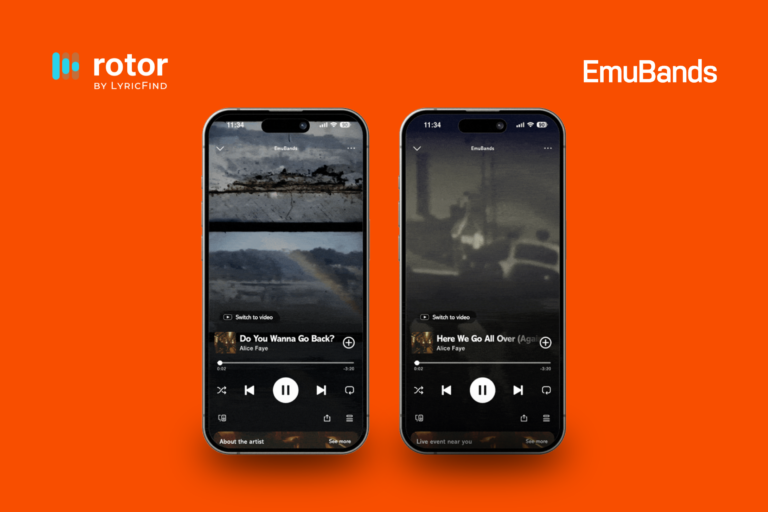
A practical look at making every cover, clip, and post feel like part of the same story, using Alice Faye’s Some Brief Encounters era as our guide.
For independent artists, the music comes first and the visuals are assembled with what time is left. But it’s worth recognizing how much work those visuals do once a track starts moving. The music is always the point of entry.
A track rarely travels alone – it’s followed by a cover in a playlist, a short clip on a feed, a Canvas, a lyric video, a reshared story, each one a separate touchpoint, rarely encountered in order. The thread running between them is what a listener comes to recognize as the project’s identity. When those touchpoints share a visual language, they reinforce the music. When they don’t, the impression scatters.
Take Glasgow’s Alice Faye. Her Some Brief Encounters era is instantly legible: warm light, a vintage hush, theatrical streaks of red, and a hue that keeps reappearing like a signature. It’s a look so consistent that once a listener is in, it holds them there – reinforcing the same “sepia-tinted romantic realm” that The List heard in her music in the first place. In this article, we’ll use it as a running example of how one look can carry across everything a release touches.
The aim isn’t to add to your workload. It’s to help the visual work you’re already doing pull in the same direction.
Cover Art: Your First and Furthest-Reaching Asset
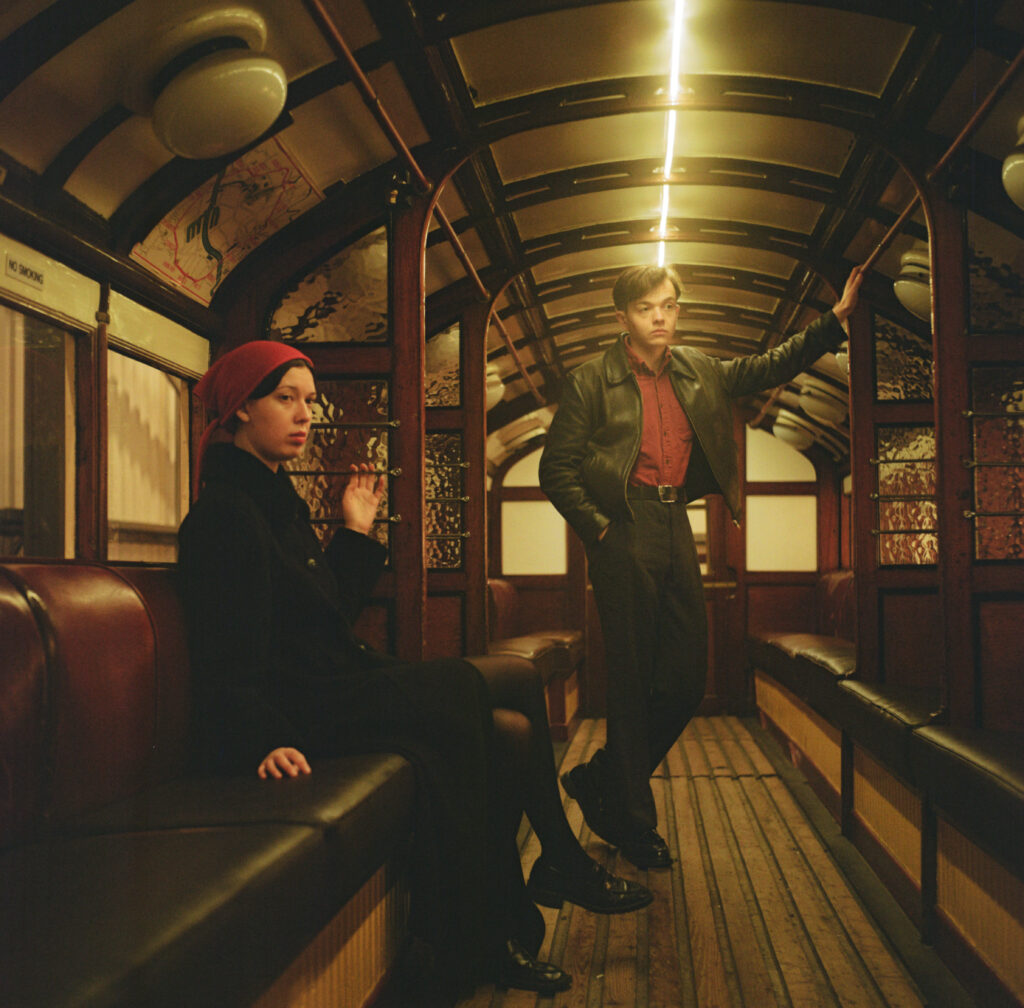
Cover art is often finalized last, yet it travels the furthest, into playlists, previews, search results, and shares, earning the click even though it’s the music that keeps a listener there.
That reach is worth designing for. Cover art doesn’t need to explain the project; it needs to hold attention long enough to earn a listen. A clear, considered concept does that more reliably than a large production budget.
Alice’s cover for Some Brief Encounters does exactly that: a single cinematic scene with two figures in a vintage carriage framed like a film still, anchored by her signature red. It doesn’t resolve the story it implies, and that restraint is what draws the viewer in.
Album Motion & Canvas: Giving a Still Room to Move
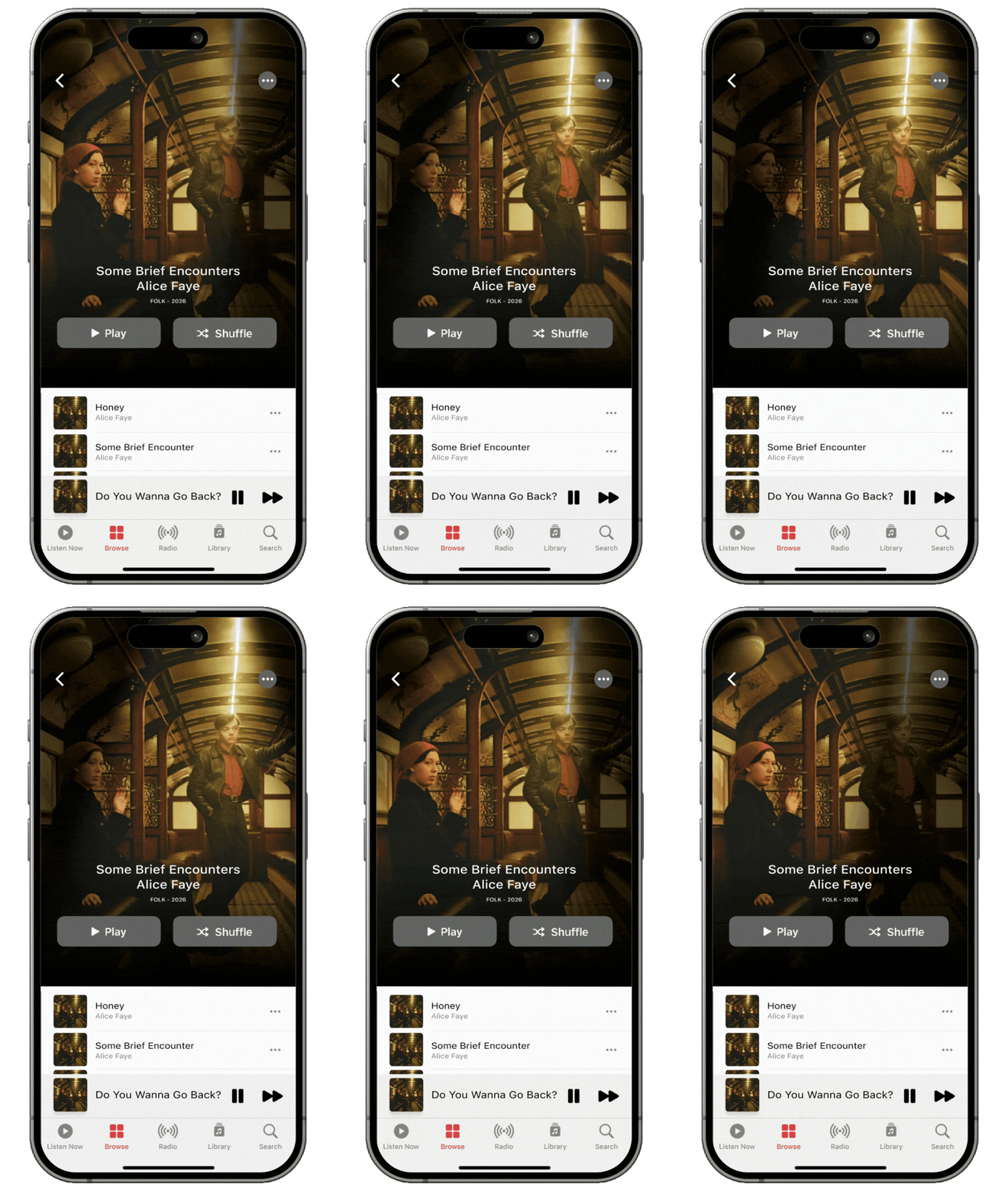
Artwork that moves tends to hold attention for longer, and that’s what platforms reward with visibility, shares and saves.
On Apple Music, motion artwork has become an expectation rather than an extra. It’s also efficient: a single clip can serve as your Album Artwork video, then get repurposed for TikTok, Reels, and Shorts.
Alice’s Rotor-made Album Motion for Some Brief Encounters shows how naturally this can work. It takes the EP’s static cover art and brings it quietly to life: the light shifts, the scene settles into a slow breath, without ever stepping outside the world that the artwork has already established.
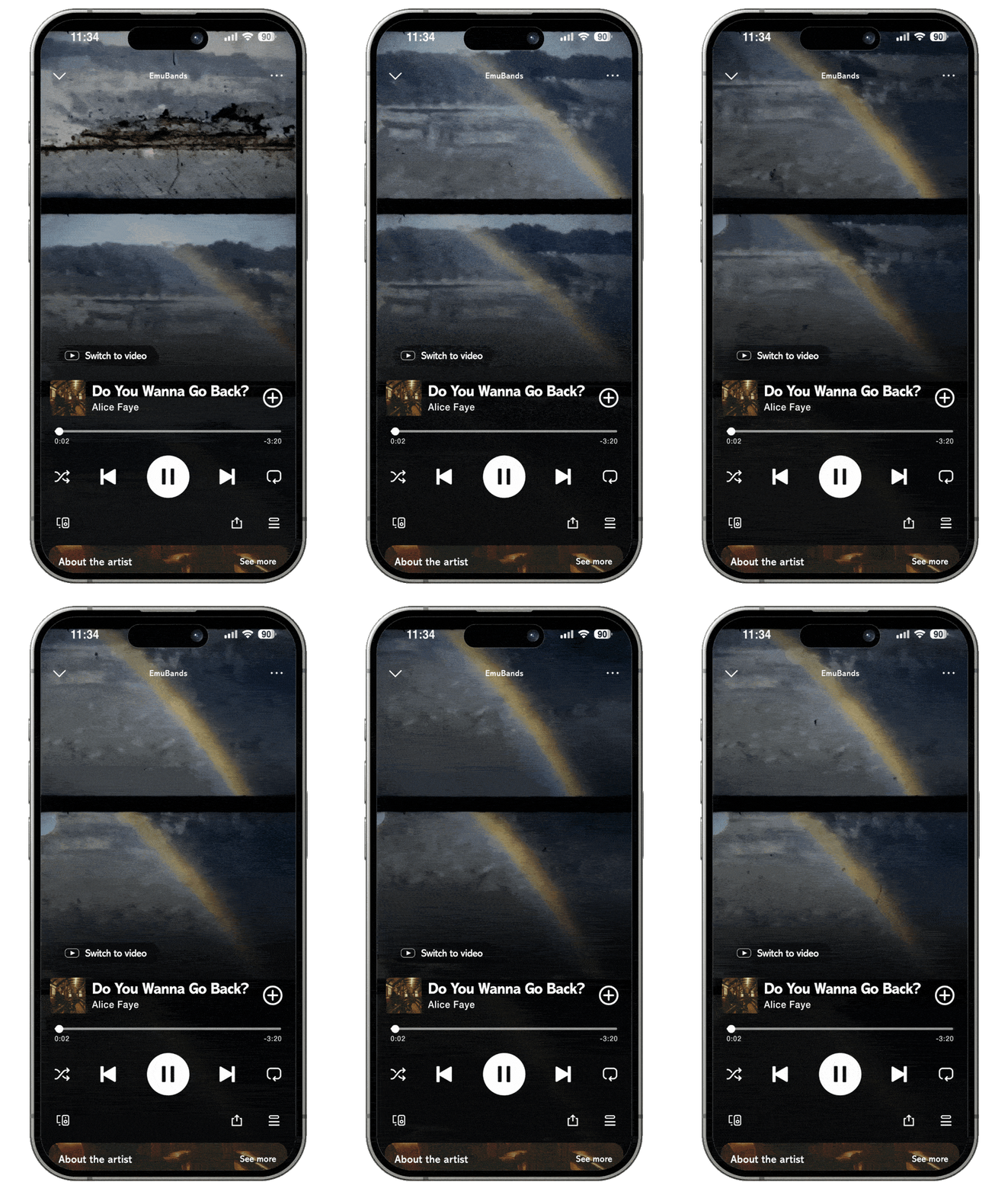
Spotify Canvas works differently. Rather than a single asset made once, it rewards being refreshed periodically across a release’s lifespan, so returning listeners find something new.
Across her tracks, Alice’s Rotor-made Canvases do this without losing coherence. For “Do You Wanna Go Back?”, the loop is weathered, grainy footage of an overcast sky and a faint rainbow. For “Here We Go All Over (Again)”, it turns darker: a dim, sepia-toned interior, equally grainy and aged.
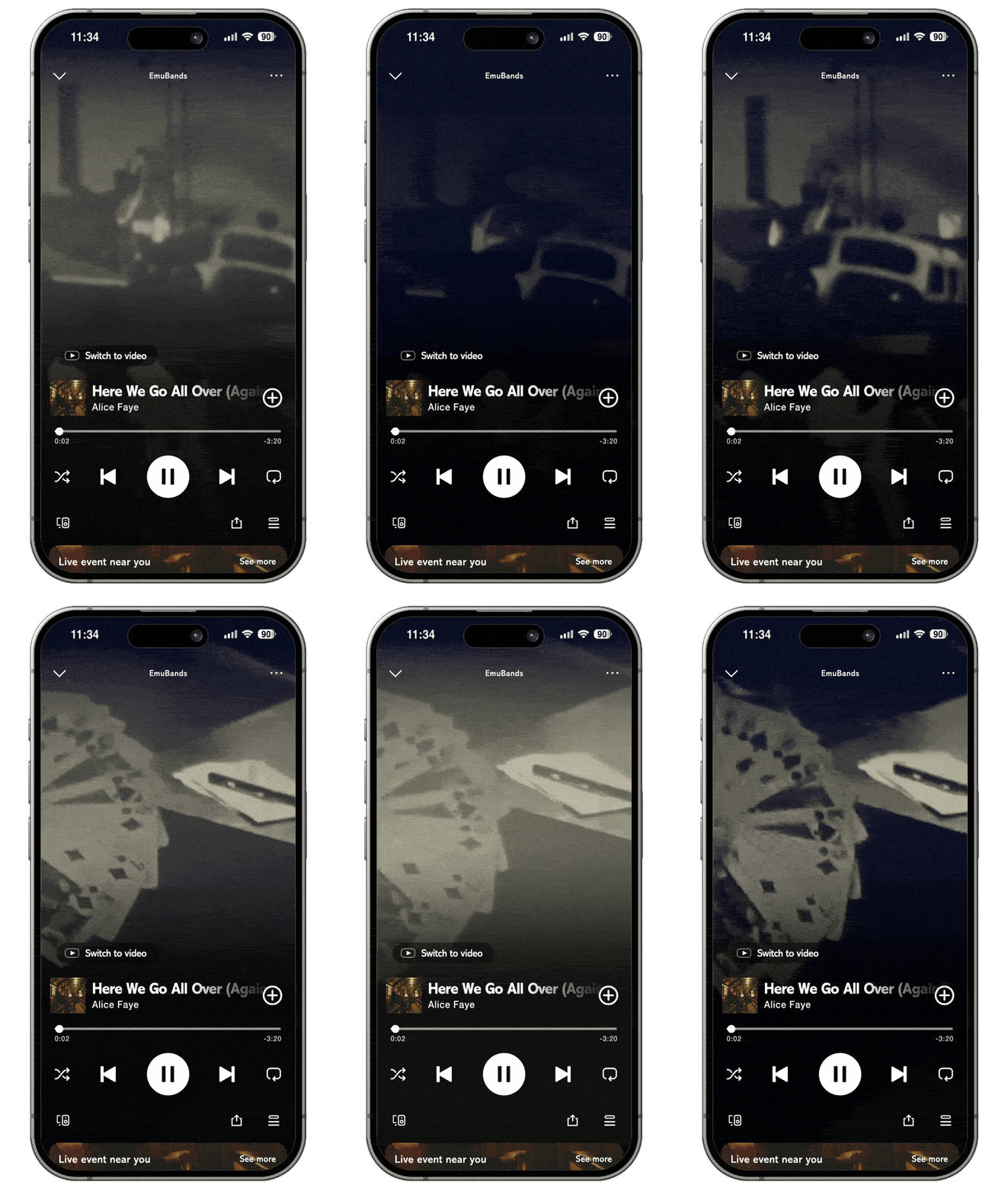
Two different moods, same hand: the vintage, degraded-film treatment that carries her identity from one track to the next.
Short-Form: Where Audiences Meet the Artist
Posting between releases can feel like an obligation to the algorithm, but it’s better understood as an opportunity. Short-form is one of the few places where audiences meet the artist rather than the release schedule.
It also suits a less polished approach. Studio clips, works in progress, and behind-the-scenes moments don’t need to be refined; their value lies in being genuine. Even so, the strongest short-form content still carries a clear thread of who the artist is.
Go backstage with BBC Introducing Scottish Act of the Year 2026, Alice Faye, as she gets ready to make her TRNSMT debut. Watch here.
Go behind the camera with Alice Faye for an exclusive look at the making of her cinematic performance of Some Brief Encounter. Watch here.
Testing vocal ideas, a wardrobe thrifting trip, or an unguarded studio moment still reads as unmistakably hers, because the personality and the aesthetic are one and the same.
Lyric Videos: An Underrated Discovery Tool
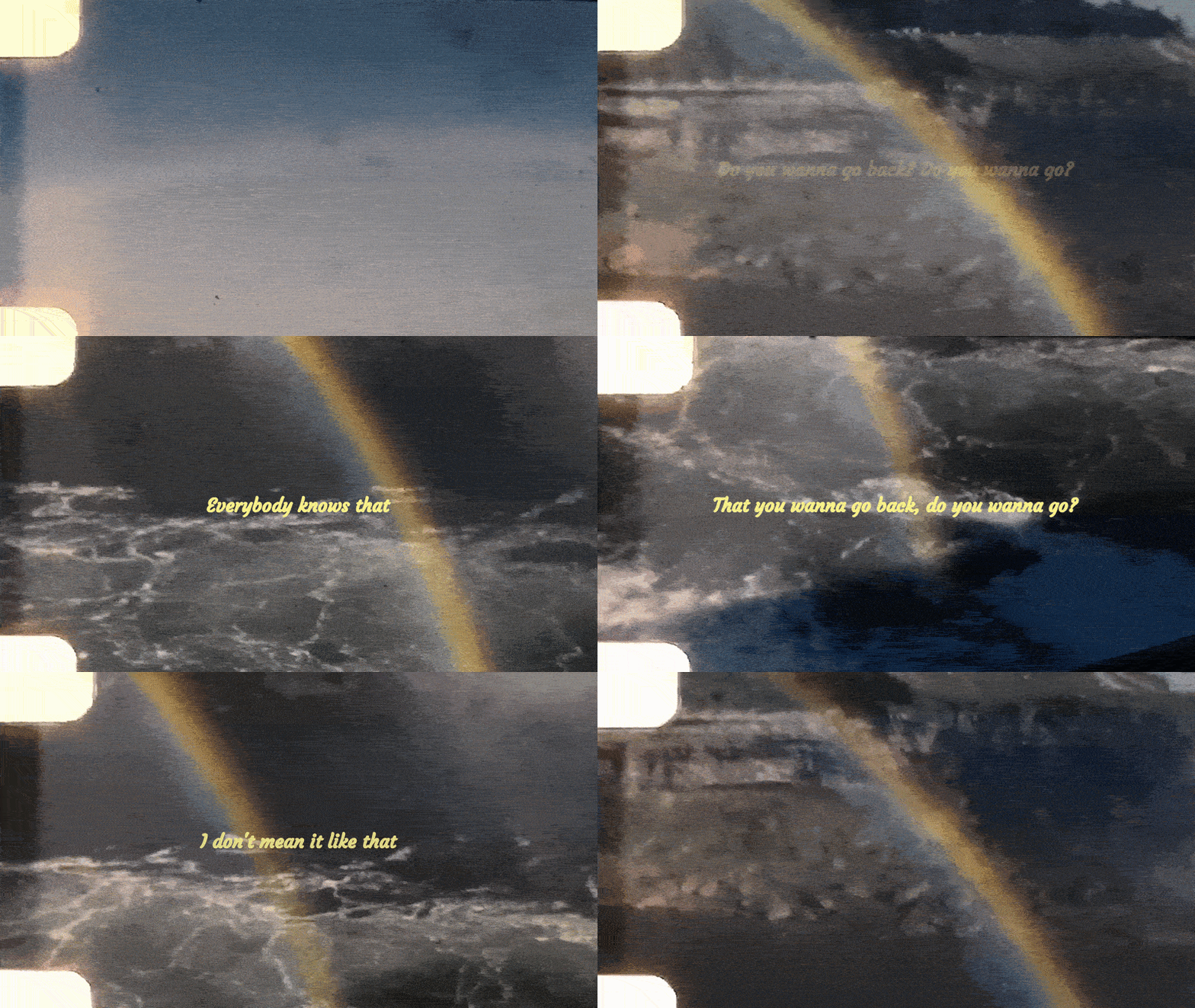
Lyric videos are often overlooked as the simple option, but they do valuable work: they give audiences a reason to stay with a song from start to finish.
A song a listener might otherwise only half-hear becomes something they actively read and follow, and that shift brings a turn of phrase or a carefully chosen line to the foreground.
Alice’s Rotor-made lyric video for “Do You Wanna Go Back?” plays out over faded, grainy footage of an open landscape: a hazy sky, distant hills, and a rainbow arcing across a washed-out frame, edged with the dust and worn borders of old film. The lyric runs centre-frame in a warm yellow script. Read rather than simply heard, the song’s quiet, searching question lands with all the wistful nostalgia the imagery sets up.
For “Here We Go All Over (Again)”, the lyrics sit against heavily aged, sepia-tinted footage. The words appear centre-frame in a warm, cream-coloured script, a handwritten touch that adds to the old-film intimacy.
Consistency Over Novelty: The Identity That Lasts
In practice, the artists that audiences remember tend to be those who establish an identity that genuinely reflects them, let it develop across a whole era, rather than changing direction every few weeks.
Alice demonstrates this well. Across her cover art, motion assets, and short-form presence, the same world stays consistently present. It never feels repetitive; it reads as distinctly hers. By the time her debut album, Vaudevillain, arrives, her audience will recognize it before they read her name. That is what consistency achieves: recognition that precedes the music.
Thank you to EmuBands for having us! If you want to see what Rotor Videos can do for your next release, you can find us here.
The Rotor Videos Team